
Cracked Tooth, Lost Filling, or Just Sore? A Sherwood Dentist's Guide to What's Actually a Dental Emergency
If you're reading this, something in your mouth doesn't feel right, and you're trying to answer one specific question: does this need attention today, or can it wait for a regular appointment? A cracked tooth, a filling that fell out, and a sore tooth can all feel alarming in the moment, but they don't all carry the same level of urgency. Some of these situations genuinely need same-day care to prevent infection or tooth loss. Others are uncomfortable but stable enough to schedule normally.
This guide walks through how dental professionals in Sherwood Park generally sort dental problems by urgency, what the warning signs of a true emergency look like, and what typically happens once you make the call. It's written to help you make a fast, informed decision, not to replace an actual exam.
Quick Summary
- A true dental emergency usually involves uncontrolled bleeding, facial swelling, a knocked-out tooth, or pain severe enough to disrupt sleep or eating.
- A cracked tooth is urgent if there's a visible fracture line to the gum, sharp pain when biting, or a piece has broken off with the nerve exposed.
- A lost filling is rarely a same-day emergency unless it's causing sharp pain, sensitivity that won't settle, or a sharp edge cutting your tongue.
- General soreness, mild sensitivity, or dull aching that comes and goes is usually a sign to book a regular appointment, not walk-in urgent care.
- Swelling in the face or jaw, difficulty swallowing, or fever alongside tooth pain are signs of a spreading infection and need prompt attention.
- A simple three-question framework (Look, Duration, Spread) can help you triage most situations before you call.
- Sherwood Park has limited after-hours dental options compared to Edmonton, so knowing when to wait until morning matters for planning.
- Delaying a genuine emergency almost always increases both the discomfort and the eventual cost of treatment.
What Actually Counts as a Dental Emergency
A dental emergency is any situation where waiting causes real risk: losing a tooth, letting an infection spread, or leaving someone in pain that isn't manageable with over-the-counter medication. According to theCanadian Dental Association, this includes situations like knocked-out teeth, uncontrolled bleeding, possible broken jaws, and severe toothaches caused by infection or trauma. That definition is a useful starting point, but in practice, most people aren't dealing with something that dramatic. They're dealing with a nagging ache or a chip they noticed at breakfast and are trying to figure out if it can wait.
The honest answer is: it depends on what's actually happening at the tooth, not just how much it hurts. Pain intensity matters, but so does whether the tooth is structurally compromised, whether there's an active infection, and whether the problem is getting worse by the hour.
Emergency Severity at a Glance
|
Situation |
Urgency Level |
Typical Sign It's Serious |
General Timing |
|
Knocked-out permanent tooth |
Emergency |
Tooth is completely out of the socket |
Within 30–60 minutes for the best chance of saving it |
|
Facial or jaw swelling with fever |
Emergency |
Swelling spreading toward the eye or throat, trouble swallowing |
Same day, possibly ER if breathing is affected |
|
Cracked tooth with exposed nerve |
Urgent |
Sharp, constant pain, sensitivity to air |
Same day or next available appointment |
|
Lost filling with sharp pain |
Urgent |
Pain when biting or chewing on that side |
Within 24–48 hours |
|
Lost filling, no pain |
Non-urgent |
Rough edge, minor sensitivity to cold |
Next available appointment |
|
Chipped tooth, no pain |
Non-urgent |
Cosmetic concern only, smooth edge |
Regular booking |
|
Dull, intermittent soreness |
Non-urgent |
Comes and goes, no swelling |
Routine exam |
|
Bleeding gums after brushing |
Non-urgent (unless heavy/unstoppable) |
Mild bleeding that stops on its own |
Routine hygiene visit |
Cracked Tooth: What It Means and What To Do
Not all cracks are equal. A hairline crack in the enamel is very different from a fracture that runs down toward the root. Cracks generally fall into a few categories:
- Craze lines – tiny surface cracks in enamel, usually cosmetic and not painful.
- Fractured cusp – a piece of the chewing surface breaks off, often around an old filling. Usually not an emergency unless it exposes the nerve.
- Cracked tooth syndrome – a crack that extends into the tooth but hasn't fully split it, causing sharp pain specifically when biting down and releasing.
- Split tooth – the crack has progressed far enough that the tooth is separated into distinct pieces. This is urgent and may not be salvageable without treatment like a root canal, and sometimes extraction.
- Vertical root fracture – starts at the root and moves upward, often with minimal symptoms until infection sets in.
If you can see a crack that reaches the gumline, if a piece has visibly broken away and you can see pink or reddish tissue inside the tooth, or if biting produces a sharp electric-type pain, treat it as urgent. If a dentist determines the nerve is affected, treatment often involves aroot canal to remove the damaged tissue and save the tooth structure.
Lost or Loose Filling: Is It Urgent?
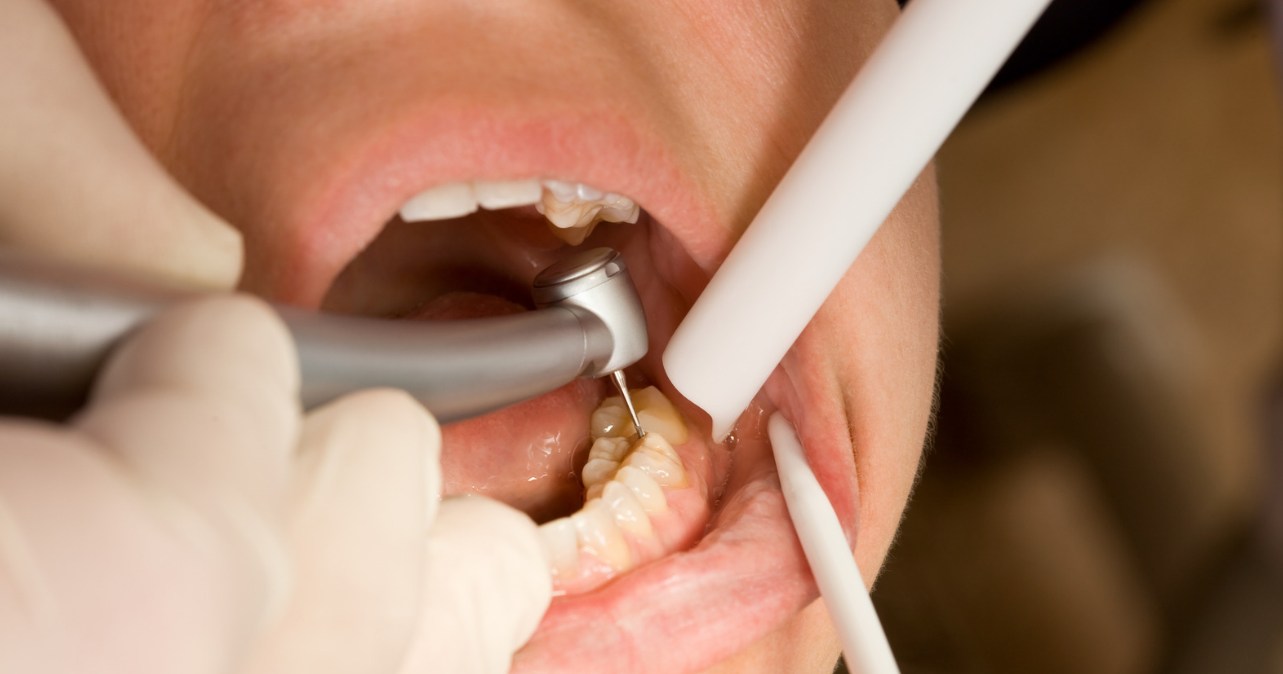
Losing a filling is unsettling, but it's one of the more commonly overreacted-to dental events. The tooth underneath was already treated for decay once, so in most cases the exposed area is stable in the short term. What changes the calculation:
- Sharp pain when biting or when the tooth is exposed to hot or cold
- A rough or sharp edge that's cutting the tongue or cheek repeatedly
- Visible dark discoloration suggesting new decay has developed under the old filling
- The filling came out because the tooth cracked, not because the filling itself failed
If none of those apply, the tooth is usually fine to protect at home (avoid chewing on that side, keep it clean) until a regular visit. If a new filling is needed,tooth-coloured fillings are the standard replacement option for most cavities and small fractures.
Just Sore? When a Toothache Is (and Isn't) an Emergency
Soreness is the hardest category to sort because it covers such a wide range. A tooth that's mildly sensitive to cold for a few seconds after eating ice cream is not the same as a throbbing ache that wakes you up at 2 a.m.
General signs that soreness can wait for a regular appointment:
- Sensitivity is brief and predictable (triggered by cold, sugar, or pressure, then fades)
- No swelling in the face, gums, or jaw
- Pain is a 3 or below on a 10-point scale and doesn't interfere with eating or sleeping
- No bad taste, drainage, or visible pus near the tooth
Signs it's moved into urgent territory:
- Pain is constant, throbbing, or getting worse over 24–48 hours
- Pain wakes you up at night
- There's any visible swelling of the face, gum, or jaw
- You notice a bad taste or smell that doesn't go away with brushing
Persistent, worsening pain is frequently a sign of an infected nerve, which is one of the more common reasons people end up needing a root canal rather than a simple filling.
A Simple Framework for Deciding: Look, Duration, Spread
Before calling around, it can help to run through a quick three-question check. This isn't a diagnosis, but it's a useful way to organize what you're noticing and describe it clearly when you do call a dental office.
- Look – Is there anything visibly wrong? A crack, a hole, swelling, discoloration, or bleeding. Visible structural damage or swelling generally raises the urgency level.
- Duration – Has the pain been constant for more than a day, or does it come and go with a clear trigger? Constant pain that doesn't fully resolve between episodes suggests the nerve is involved.
- Spread – Is the problem staying in one spot, or is it spreading to the jaw, ear, neck, or causing facial swelling? Spreading symptoms point toward infection, which needs prompt treatment regardless of pain level.
If two or more of these point toward "yes, this is changing or spreading," it's reasonable to call the same day rather than wait. This kind of quick triage framework is something many dental teams use in some form when patients call describing symptoms over the phone, and it can help you organize your own description before you dial.
Ready to get a professional read on your symptoms instead of guessing? You cancontact Mills Haven Dental directly to describe what you're experiencing and find out how soon you should be seen.
What Happens When You Call: A Typical Emergency Intake Timeline
Dental offices generally follow a similar sequence when someone calls about a possible emergency, though exact wait times vary by day and by how busy the schedule already is. Here's a general checklist of what that process usually looks like:
- Phone triage – The front desk asks about your symptoms (pain level, swelling, bleeding, how long it's been going on) to gauge urgency.
- Same-day slot or next available – True emergencies are typically fit into the schedule the same day; less urgent issues are booked into the next reasonable opening.
- Arrival and exam – X-rays are usually taken to see what's happening below the surface, since cracks and infections aren't always visible to the eye.
- Diagnosis and options – The dentist explains what's actually wrong and walks through the realistic treatment paths, including cost ranges where possible.
- Immediate stabilization if needed – For pain or infection, this might mean a temporary filling, prescription for antibiotics, or pain management while a longer-term plan is arranged.
- Follow-up treatment scheduled – Procedures like root canals or crowns are often completed in a follow-up visit rather than the same day, depending on the complexity.
Knowing this sequence in advance can make the actual visit feel less unpredictable, especially if you're anxious about cost. If budget is part of your hesitation to call, it's worth reviewingpricing information ahead of time so you're not going in blind.
Local Considerations for Sherwood Park Patients
A few practical realities are worth knowing if you're dealing with a dental problem in Sherwood Park specifically:
- After-hours and weekend emergency dental care is more limited here than in a larger city core, so knowing whether a problem can hold until regular business hours matters for planning your day.
- For true medical emergencies involving airway obstruction, uncontrolled bleeding, or facial trauma from an accident, the nearest hospital emergency department is the appropriate first stop, not a dental clinic.
- Commute timing matters: if you're calling from work in Edmonton or from home in Sherwood Park during rush hour, mention that when booking so the office can plan the appointment window realistically.
- Direct billing is common at Sherwood Park dental offices, which can reduce some of the upfront stress of an unplanned visit, but coverage details still vary by insurance provider and plan.
- Cold Alberta winters can make existing cracks or sensitivity worse; sudden temperature changes between outdoor cold and indoor heat can trigger sharp pain in a tooth that was already compromised.
Common Mistakes People Make With Dental Emergencies
- Waiting to see if it goes away. Tooth pain caused by infection or nerve damage does not resolve on its own; it typically gets worse.
- Taking extra painkillers instead of calling. Over-the-counter medication can mask symptoms, which sometimes delays diagnosis of a worsening problem.
- Assuming a lost filling always means an emergency. As covered above, this is usually not urgent unless there's pain or a sharp edge.
- Ignoring facial swelling. Swelling is one of the clearest signs of a spreading infection and shouldn't be treated as a wait-and-see symptom.
- Trying to glue a crown, filling, or tooth fragment back in place at home. Household adhesives aren't safe for use in the mouth and can complicate treatment later.
- Not mentioning a knocked-out tooth is time-sensitive when calling. Every extra hour reduces the odds of successfully saving the tooth, so this detail should come first in the call.
What To Do If Something Goes Wrong After Treatment
Even after a filling, crown, or root canal, occasional issues can come up during healing. Here's how to handle the most common ones:
- Pain returns a few days after a filling or root canal. Mild soreness for a day or two is normal, but pain that increases instead of improving, or new swelling, means the office should be called for a follow-up check.
- A new filling feels too high when biting. This is a quick adjustment, not something to just live with. It usually needs a short in-office visit to reshape the bite.
- A temporary filling or crown falls out. Keep the area clean, avoid chewing on that side, and call to get it re-secured as soon as possible, since the tooth underneath is more vulnerable while uncovered.
- Swelling develops after an extraction or root canal. Some swelling is expected in the first 48 hours. Swelling that increases after day two, or comes with fever, should be reported right away.
- You're unsure if what you're feeling is normal healing or a problem. When in doubt, it's better to call and ask than to wait it out. Reviewing the office'sFAQ page can also answer common post-treatment questions.
Staying ahead of small problems with routine checkups is one of the most effective ways to avoid emergencies in the first place.Preventative dentistry visits catch cracks, decay, and weak fillings before they turn into same-day problems.
Frequently Asked Questions
Is a cracked tooth always a dental emergency? Not always. A small craze line in the enamel usually isn't urgent, but a crack that reaches the gumline, exposes the nerve, or causes sharp pain when biting should be treated as urgent and seen the same day if possible.
Can a lost filling wait until my next regular appointment? Often, yes, as long as there's no sharp pain, no sharp edge irritating your tongue, and no visible new decay. If it's causing pain when you bite or chew, it should be looked at sooner.
How do I know if my toothache is serious? Constant or worsening pain, pain that wakes you up at night, swelling, or a bad taste that doesn't go away are signs of a serious issue like an infected nerve. Mild, brief sensitivity that fades is usually not urgent.
What should I do if my tooth gets knocked out? Handle the tooth by the crown, not the root, rinse it gently without scrubbing, and try to reinsert it into the socket if possible. If that isn't possible, store it in cold milk and get to a dentist as quickly as you can, since timing significantly affects whether the tooth can be saved.
Does a cracked tooth always need a root canal? No. Whether a root canal is needed depends on whether the crack has reached the nerve. Some cracks can be treated with a filling or crown alone if the inner pulp isn't affected.
When should I go to the emergency room instead of a dentist? Go to the ER for uncontrolled bleeding, difficulty breathing or swallowing, or suspected facial or jaw fractures from trauma. For tooth-specific pain, swelling, or damage without those symptoms, a dental office is the right first call.
Why does dental pain seem to get worse at night? Lying down increases blood flow to the head, which can increase pressure and pain in an already inflamed or infected tooth. It's not a sign the problem is new, just that existing inflammation is more noticeable.
Conclusion
Sorting out whether a dental problem is an emergency comes down to a few consistent signals: how much structural damage there is, whether the pain is constant or spreading, and whether there's visible swelling or infection. Most cracked teeth, lost fillings, and toothaches fall somewhere between panic and no big deal, and a short phone call is usually enough to figure out which one applies to your situation.
If you're dealing with tooth pain, a crack, or a lost filling right now and aren't sure what to do next, don't wait it out and hope it improves.Contact Mills Haven Dental to describe your symptoms and find out how quickly you should be seen. Getting a professional read on the situation early is almost always faster and less costly than waiting.