When Should My Child First See a Dentist? A Parent's Guide to Preventing Early Tooth Decay
Quick Summary
- Schedule the first dental visit within six months of the first tooth appearing or by age one.
- Early appointments focus on familiarization and parental education, not complex procedures.
- Avoid putting children to bed with milk or juice to prevent severe enamel degradation.
- Begin cleaning a baby's gums with a damp cloth even before the first tooth erupts.
- Transition to a rice-sized smear of toothpaste once the first tooth appears.
- Pediatric dental assessments often utilize a knee-to-knee examination position for comfort.
- A gradual introduction to the clinic environment reduces long-term dental anxiety.
- Parents share oral bacteria with infants, making adult oral hygiene crucial for the baby's health.
Parents often wonder about the correct timeline for pediatric oral health and the steps required to keep tiny teeth healthy. The exact right time for a child's first dentist visit, Sherwood Park residents should know, is within six months of the first tooth erupting, or by their first birthday. This guide is designed to help parents and caregivers understand exactly when to take a baby to the dentist, how to prepare them for the appointment, and take actionable steps for early childhood cavity prevention. You will learn the early signs of baby bottle tooth decay, the recommended kids' dental checkup timeline, and what to expect during an infant dental assessment. The primary goal of early intervention is to establish a dental home, monitor jaw development, and introduce oral hygiene in a comfortable environment before any actual dental issues arise, ensuring long-term oral health for your growing family.
The Official Kids Dental Checkup Timeline
The foundation of lifelong oral health begins long before a child can hold their own toothbrush. Understanding the correct timeline for assessments allows parents to stay ahead of potential issues like crowding, decay, and developmental anomalies. TheCanadian Dental Association recommends that children receive their first professional evaluation within six months of the eruption of their first primary tooth, or by twelve months of age, whichever occurs first.
Primary teeth, commonly called baby teeth, serve several vital physiological functions. They hold space in the jaw for the eventual eruption of permanent teeth. If a primary tooth is lost prematurely due to decay, the surrounding teeth can shift into the space, causing severe crowding and alignment issues later in life. Furthermore, primary teeth are essential for proper speech development and the adequate chewing of solid foods, which directly impacts a child's nutritional intake and overall physical growth.
Delaying the first visit until a child is three or four years old is a historically common practice that modern dental science strongly discourages. By the age of three, many children who have not received preventative care already exhibit signs of tooth decay. Early visits allow practitioners to apply protective fluoride varnishes, assess the child's specific caries risk profile, and provide caregivers with highly specific, tailored advice regarding diet, pacifier use, and thumb-sucking habits.
The Mechanics of Early Childhood Cavity Prevention
Early childhood caries, previously known as baby bottle tooth decay, is a severe form of dental disease that affects infants and toddlers. It typically impacts the upper front teeth first, but can rapidly spread to other teeth. The enamel on primary teeth is significantly thinner and less mineralized than the enamel on adult permanent teeth. This anatomical difference makes baby teeth highly susceptible to the acid produced by oral bacteria.
The primary culprit behind early childhood cavity prevention failures is the prolonged exposure of teeth to liquids containing fermentable carbohydrates. When a child falls asleep with a bottle containing milk, formula, or fruit juice, the liquid pools around the upper front teeth. Saliva production, which naturally washes away debris and neutralizes acids, decreases significantly during sleep. The bacteria in the mouth, primarily Streptococcus mutans, feed on these sugars and produce lactic acid. This acid immediately begins to demineralize the fragile enamel.
Transmission of bacteria is another critical factor. Infants are not born with decay-causing bacteria in their mouths. They acquire these bacteria from their primary caregivers through saliva transfer. Activities such as sharing utensils, cleaning a dropped pacifier in the parent's mouth, or kissing the child on the lips can transmit high loads of Streptococcus mutans. Therefore, the oral health of the parents directly influences the oral health of the infant.
The E.A.S.Y. Pediatric Introduction Framework
To ensure a smooth transition into regular oral care, the E.A.S.Y. Pediatric Introduction Framework is a recommended workflow for parents and practitioners to follow. This original framework breaks down the acclimation process into four distinct phases designed to build trust and mitigate fear.
Environment: The physical setting must feel safe. Before any examination occurs, the child should be allowed to observe the clinic room from the safety of their parent's lap. The environment should be stripped of loud, sudden noises or overly bright overhead lights directed at the child's face.
Assessment: The initial infant dental assessment is primarily visual. The practitioner relies on observation rather than sharp metal explorers. The focus is on counting the teeth, checking the health of the gum tissue, and identifying any obvious white spot lesions, which are the earliest visible signs of enamel demineralization.
Sensitization: Children fear the unknown. Sensitization involves introducing the child to the harmless tools of dentistry in a playful manner. A practitioner might let the child hold the small mouth mirror, demonstrate how the suction tube drinks water from a cup, or use the air syringe to blow a gentle breeze on the child's hand. This systematic desensitization removes the mystery from the equipment.
Yield Pediatric dentistry requires immense flexibility. Practitioners and parents must yield to the child's threshold for cooperation. If a child becomes highly distressed, the appointment is paused or concluded. Forcing a non-emergency procedure on a frightened toddler creates lasting psychological barriers. The goal is a positive association, even if the clinical outcome is limited on the first attempt.
For comprehensive care that grows with your child, explore options forPreventative dentistry and oral health monitoring to keep their smile on track.
Step-by-Step Timeline: Preparing Your Toddler for the Chair
Preparation for a dental visit begins at home weeks before the actual appointment. Children thrive on predictability, and establishing a routine eliminates the shock of a new environment. Use this step-by-step checklist to prepare your child for the pediatric dental care Alberta clinics provide.
- Read Preparatory Literature: Two weeks before the appointment, introduce picture books or age-appropriate shows that feature characters visiting the dentist. Keep the narrative positive and focused on counting teeth and keeping them strong.
- Roleplay at Home: One week before the visit, practice playing dentist. Have your child recline on the sofa with their head in your lap. Use a soft toothbrush to count their teeth aloud. Shine a small flashlight into their mouth to simulate the clinic light.
- Establish the Vocabulary: Avoid words with negative connotations, such as shot, drill, hurt, or pain. Replace them with clinic-friendly vocabulary. Refer to the suction as a water straw, the explorer as a tooth counter, and the scaler as a tooth tickler.
- Schedule Strategically: Book the appointment during the time of day when your child is most rested and cooperative. Avoid scheduling during typical nap times or immediately before meals when the child may be hungry and irritable.
- Manage Your Own Anxiety: Children are highly perceptive and will mirror the emotional state of their parents. If you exhibit signs of dental anxiety, your child will learn to fear the environment. Speak about the upcoming visit with calm, neutral positivity.
Realistic Service Constraints in Pediatric Dentistry
When planning a child's first dentist visit, parents must understand the realistic logistical and clinical constraints involved in treating toddlers. Unlike adult appointments, pediatric visits rarely follow a rigid, minute-by-minute schedule. A full scaling, polishing, and fluoride application is rarely the outcome of a first visit for a one-year-old.
Attention spans at this age are measured in minutes, not hours. The physical examination portion of an infant dental assessment typically lasts less than three minutes. The practitioner will often utilize the knee-to-knee position. In this setup, the parent and the dentist sit facing each other with their knees touching. The child sits on the parent's lap facing the parent, and then lies backward so their head rests in the dentist's lap. This allows the dentist a clear view of the oral cavity while the child maintains physical and eye contact with the parent.
Furthermore, if preventative toddler tooth decay is discovered, immediate treatment is usually deferred unless the child is in acute pain. The practitioner will assess the child's ability to cope with a restorative procedure. If the child is highly anxious or the decay is extensive, the dentist may recommend a phased approach, applying silver diamine fluoride to arrest the decay temporarily, or refer the family to a specialized pediatric facility equipped for sedation dentistry.
Comparing At-Home Oral Hygiene Strategies
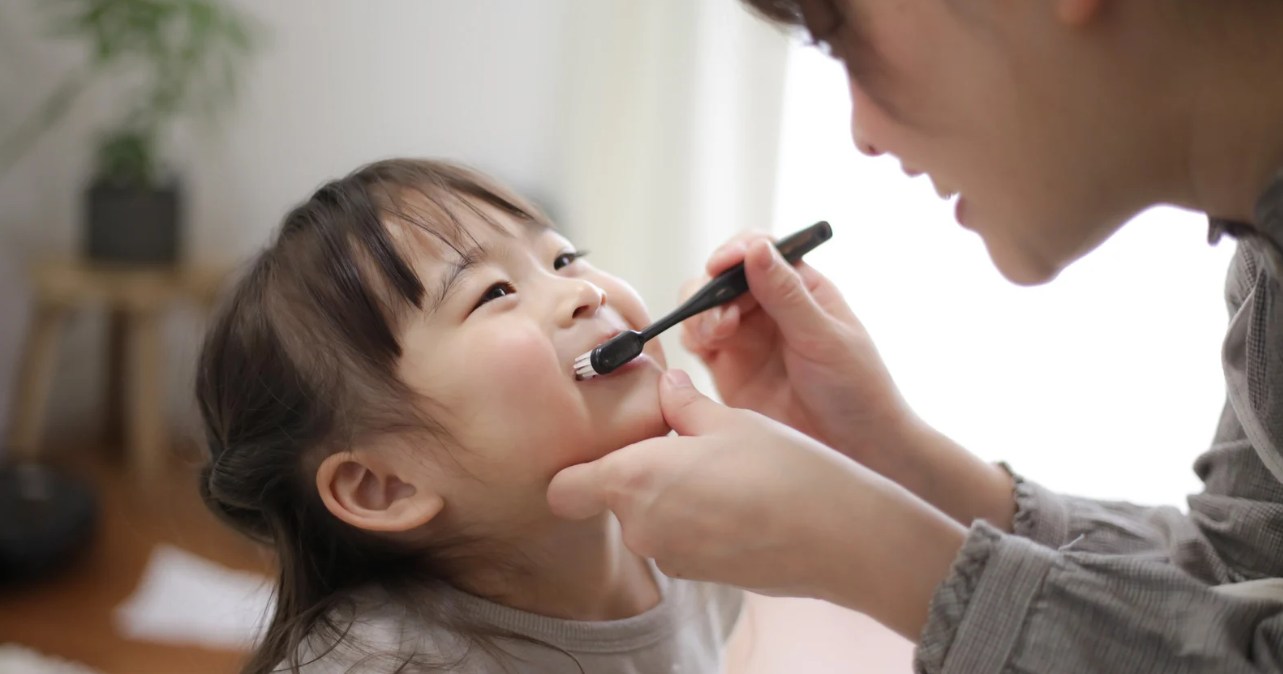
Choosing the right tools for your child's age is essential for effective plaque removal without damaging delicate gingival tissue.
|
Age Range |
Recommended Tool |
Toothpaste Type |
Parent Role |
|
0 to 6 Months |
Clean, damp washcloth or silicone finger brush |
None |
Wipe gums twice daily, especially after feeding. |
|
6 to 12 Months |
Soft-bristled infant toothbrush |
A smear (grain of rice size) of fluoride toothpaste |
Brush all erupted teeth twice daily. |
|
1 to 3 Years |
Soft-bristled toddler toothbrush |
A smear (grain of rice size) of fluoride toothpaste |
Parent performs 100% of the brushing. |
|
3 to 6 Years |
Soft-bristled child toothbrush |
A pea-sized amount of fluoride toothpaste |
The child can practice, but the parent must brush thoroughly afterward. |
Local Considerations for Sherwood Park Families
Families residing in Strathcona County and the surrounding areas face specific environmental and lifestyle considerations regarding oral health. The municipal water supply serving Sherwood Park is treated and fluoridated by EPCOR, aligning with Health Canada recommendations for optimal enamel protection. Because the tap water contains adequate fluoride, parents should consult their dental professional before introducing supplemental fluoride drops or high-concentration rinses to avoid fluorosis, a condition that causes white or brown spots on developing permanent teeth.
Additionally, navigating appointments during harsh Alberta winters requires extra planning. Bulky winter gear can make children uncomfortable in the dental chair. Dress your child in layers so heavy coats and sweaters can be removed in the waiting room, ensuring they remain at a comfortable temperature during their assessment. Finding an accessible, local clinic reduces travel stress. You can rely on theSherwood Park family dentists on Broadmoor Blvd for convenient, community-focused care.
Common Mistakes Parents Make with Early Dental Care
Even with the best intentions, parents often make errors in their child's daily oral hygiene routine. Correcting these common mistakes is the first line of defence in early childhood cavity prevention.
- Rinsing After Brushing: Parents often instruct children to rinse their mouths with water immediately after brushing. This washes away the active ingredients in the toothpaste. Children should spit out the excess paste but avoid rinsing, eating, or drinking for thirty minutes.
- Grazing on Carbohydrates: Allowing a toddler to carry a sippy cup of juice or snack on crackers throughout the day keeps the mouth in a constant acidic state. Restrict sugary snacks and juices to designated mealtimes.
- Substituting Water for Brushing: Giving a child water after a milk feed is helpful for clearing debris, but it does not replace the mechanical friction required to remove sticky bacterial plaque from the enamel surface.
- Stopping Due to Crying: Many toddlers cry when having their teeth brushed. Parents often stop brushing to soothe the child, inadvertently teaching the child that crying will end the hygiene routine. Brushing must be completed consistently, regardless of mild protest.
What To Do If Something Goes Wrong
Toddlers are prone to falls and accidents as they learn to walk and run, making dental trauma a common occurrence. If your child chips a primary tooth, the first step is to clean the area gently with warm water and apply a cold compress to the face to reduce swelling. Locate the tooth fragment if possible, and contact your clinic immediately.
If a baby tooth is completely knocked out (avulsed), do not attempt to push it back into the socket. Replanting a primary tooth can severely damage the developing permanent tooth bud situated directly beneath it in the jawbone. Apply firm pressure with clean gauze to control any bleeding and seek professional evaluation to ensure no root fragments remain in the bone and to rule out jaw fractures.
Sudden, unprompted toothaches or visible swelling in the gums or cheeks indicate an active infection. Dental abscesses in children can spread rapidly due to the porous nature of their facial bones. Do not rely on topical numbing gels; schedule an emergency assessment immediately to address the root cause of the infection.
Navigating Costs and Dental Insurance
Understanding the financial aspect of pediatric dental care is vital for families. In Alberta, dental clinics operate under the guidance of the Alberta Dental Association and the College Fee Guide. This guide provides a standardized baseline for the cost of preventative, diagnostic, and restorative procedures. When selecting a clinic, inquire about their adherence to this fee guide to ensure transparent pricing for your child's routine hygiene and assessment appointments.
Managing insurance paperwork should not be a barrier to securing early care for your child. Many clinics streamline this process by submitting claims electronically on your behalf. This immediate processing means families are only responsible for the co-pay portion of the visit at the front desk, eliminating the need to pay out-of-pocket and wait for reimbursement cheques in the mail. For more details on this process, you can review information on Direct billing and insurance processing for families to see how your coverage applies.
Frequently Asked Questions
When is the right time to take my baby to the dentist for the first time? Your child should have their first dental assessment within six months of the eruption of their first baby tooth. If no teeth have erupted by their first birthday, schedule an appointment by that twelve-month mark to evaluate jaw development.
Can babies get cavities even if they only drink milk? Yes, natural sugars in breast milk and formula can cause severe enamel demineralization. This condition occurs rapidly if milk is allowed to pool around the teeth during sleep without proper brushing.
Should I use fluoride toothpaste on my infant? Yes, current guidelines recommend using a tiny smear of fluoride toothpaste, roughly the size of a grain of rice, as soon as the first tooth appears. This amount is safe even if the infant swallows it and provides essential protection against decay.
What happens if a child cries during their first dentist appointment? Crying is a completely normal reaction to a new environment and new sensory experiences. Practitioners are trained to work efficiently through mild distress, using the appointment to educate parents while ensuring the child is safe.
Do baby teeth really matter since they fall out anyway? Primary teeth are crucial for proper chewing, speech development, and holding space for permanent teeth. Losing baby teeth early to decay can cause severe alignment issues and impaction of the adult teeth.
How can I clean my baby's mouth before they have teeth? Use a clean, damp washcloth or a soft silicone finger brush to gently wipe the gums after feedings. This removes milk residue, reduces bacterial buildup, and gets the infant accustomed to an oral hygiene routine.
What is the knee-to-knee position used in pediatric dentistry? The knee-to-knee position involves the parent and dentist sitting facing each other. The child sits on the parent's lap and leans back onto the dentist's lap, providing the dentist with visibility while keeping the child secure with the parent.
Securing your child's oral health starts with early, consistent action and choosing a clinical team that prioritizes comfort. Do not wait for visible cavities or pain to introduce your toddler to the dental chair. Take the proactive step today and contact your local clinic to establish a reliable dental home for your growing family.
Conclusion
Your child's oral health journey begins far earlier than most parents realize, and the steps you take in those first twelve months lay the groundwork for a lifetime of healthy smiles. From wiping newborn gums with a damp cloth to scheduling that all-important first dental visit before their first birthday, every action you take now reduces the risk of pain, costly treatment, and dental anxiety down the road.
The science is clear: primary teeth are not temporary placeholders to be taken lightly. They guide speech development, support proper nutrition, and reserve critical space for the permanent teeth that follow. Early childhood caries can escalate quickly, but with consistent at-home hygiene, mindful feeding habits, and a trusted dental team in your corner, they are largely preventable.
You do not need to wait for a problem to appear before seeking professional guidance. In fact, the most powerful thing you can do for your child's oral health is to act before any issues arise. A calm, positive first dental experience shapes how your child relates to dental care for the rest of their life, and that association starts with you.
Ready to book your child's first dental visit? Our team at Mills Haven Dental is here to make the experience comfortable, positive, and stress-free for both you and your little one. Contact us today to schedule your child’s dental assessment and take the first step toward a lifetime of healthy smiles.