How to Avoid Full-Mouth Reconstruction in Your Dental Health Journey
Nov 27, 2025 by Mills Haven Dental

The prospect of needing extensive dental work—often referred to as Full-Mouth Reconstruction (FMR) or restoration—can be daunting. It typically involves multiple, complex procedures like numerous extractions, bone grafting, dental implants, crowns, and root canals, often spanning several months and representing a significant financial commitment. For many, FMR represents the end of a long, challenging road of ignored symptoms, delayed treatment, and cumulative damage.
The great news is that for the vast majority of people, this scenario is entirely preventable.
This comprehensive guide serves as your playbook for proactive, preventative dental care. We’ll outline the signs that indicate you might be heading toward major restoration, delve into the foundational pillars of effective preventative dentistry, and detail the crucial early interventions that can stop dental problems from becoming catastrophic. By understanding the causes of major dental breakdown and committing to a consistent, personalized maintenance strategy, residents of Sherwood Park and the surrounding Edmonton area can ensure their smiles remain healthy, functional, and beautiful for a lifetime.
Understanding the Path to Full-Mouth Reconstruction
Full-Mouth Reconstruction is generally reserved for patients suffering from widespread tooth loss, severe jaw misalignment, significant tooth damage due to chronic clenching or grinding, or advanced decay and gum disease. It is a necessary and life-changing procedure for those who reach this point, but its necessity often stems from the progression of three primary, interconnected dental health failures.
The Three Escalating Warning Signs
Ignoring initial, subtle symptoms is the main factor that leads to the need for FMR. Watch for these escalating issues, as they are key indicators that your dental health is degrading:
1. The Erosion of Support: Advanced Gum Disease (Periodontitis)
Gum disease, or periodontal disease, is the primary reason adults lose teeth. It is a bacterial infection of the tissues surrounding the teeth, and its progression directly threatens the foundation of your smile.
- Gingivitis: This is the mildest form, characterized by red, swollen gums that bleed easily. At this stage, it is reversible with professional cleaning and improved home care.
- Periodontitis: If gingivitis is ignored, the infection spreads below the gum line, creating pockets. These pockets harbour bacteria, which start to destroy the jawbone and the connective tissue that holds your teeth in place. As the supporting bone melts away, teeth become loose, shift, and eventually fall out or require extraction.
If you have constant bad breath, pus between your teeth and gums, or noticeably receding gum lines, you are on the accelerated path toward complex and costly restorative work.
2. The Slow Decay: Chronic Infection and Failed Fillings
While one small cavity isn't a crisis, a history of unaddressed or poorly managed decay and infections can quickly lead to widespread failure.
- Deep Decay and Abscesses: When a cavity penetrates the outer enamel and dentin layers, it reaches the pulp—the nerve and blood vessel center of the tooth. This results in severe infection (an abscess). Ignoring a deep infection can lead to bone destruction around the root, spread infection to other parts of the body, and almost certainly result in the eventual loss of the tooth.
- The Cascade Effect: Losing one tooth often triggers a "domino effect." Adjacent teeth shift into the empty space, throwing off your bite (occlusion). This improper alignment leads to uneven wear, cracking, and decay on other teeth, multiplying the necessary restorative work from a single filling to multiple crowns, bridges, or even full arch work.
3. The Structural Breakdown: Tooth Wear and Trauma
The excessive forces of chronic clenching and grinding, known as bruxism, can structurally compromise the entire mouth. This is often an unconscious habit, usually occurring during sleep.
- Cracked and Chipped Teeth: Constant, heavy pressure can cause hairline fractures in the enamel. These fractures allow bacteria to enter, leading to decay, sensitivity, and, eventually, a total structural collapse of the tooth, often necessitating an extraction or a full-coverage crown.
- Worn Enamel: Over time, bruxism literally grinds down the biting surfaces of your teeth. Once the protective enamel is gone, the softer underlying dentin wears away rapidly. This causes a loss of vertical dimension in your bite, leading to jaw pain (TMJ issues), premature aging of the face, and the need for complex restorative work on every single tooth just to re-establish proper function and alignment.
The Foundational Pillar: The Check-up and Cleaning Cycle (The 6-Month Commitment)
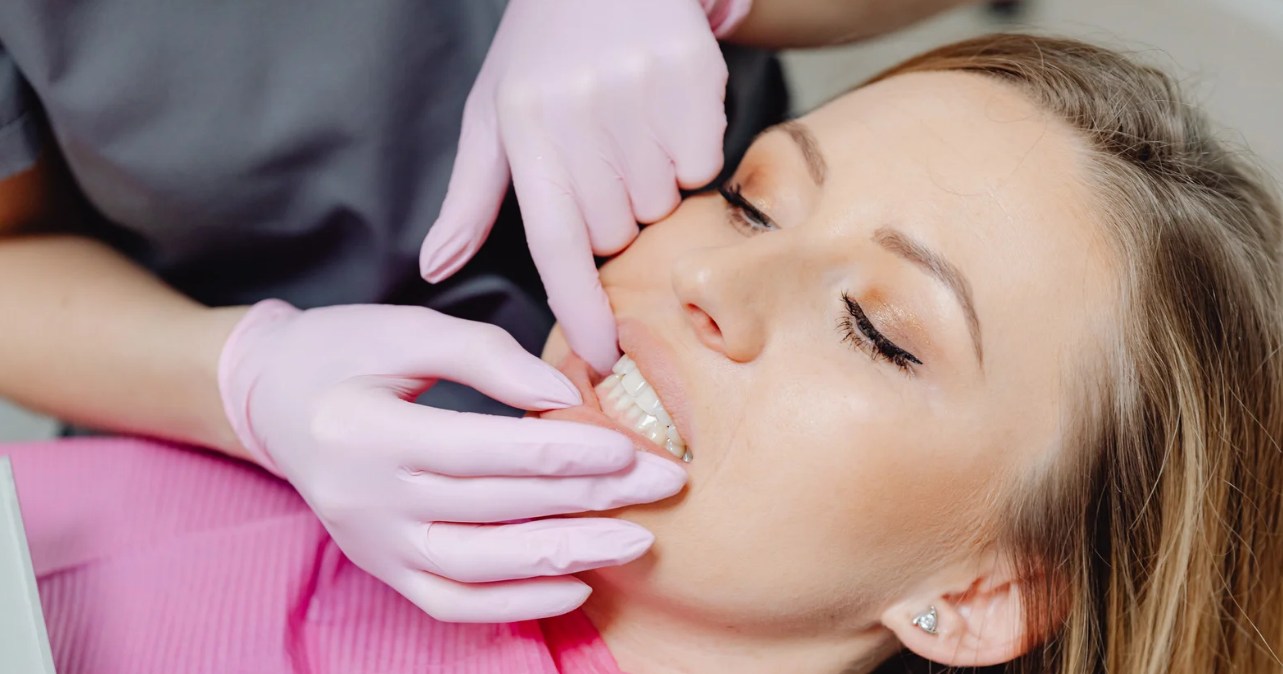
The single most effective strategy against the need for Full-Mouth Reconstruction is adherence to a consistent schedule of dental check-ups and professional cleanings. This routine appointment is far more than just "scraping plaque." It is a comprehensive maintenance service designed to detect and stop the warning signs before they escalate.
The Value of the Hygiene Appointment
Your dental hygiene appointment is your primary defence line, providing three crucial functions that home care alone cannot achieve:
- Thorough Tartar Removal (Scaling): Plaque that is not brushed or flossed away hardens into tartar (calculus) within 24-72 hours. Tartar can only be removed with specialized dental instruments. If left on the teeth, it pushes the gums away and feeds the periodontal infection.
- Periodontal Assessment: During every visit, the dental hygienist measures the depth of the pockets around your teeth. Deeper pockets indicate bone loss and active gum disease. Tracking these measurements over time is the most effective way to monitor and manage periodontitis before it leads to irreversible damage.
- Preventative Education and Home Care Coaching: Your hygiene appointment should be an opportunity for personalized coaching. Your dental team can identify areas you are missing with your toothbrush or floss, recommend specialized tools (like interdental brushes or water flossers), and tailor the frequency of your visits based on your specific risk factors.
The Comprehensive Preventive Exam
Once or twice a year, the dentist performs a comprehensive exam that coordinates with the cleaning:
- Digital X-Rays: These diagnostic images allow the dentist to see between the teeth and under old fillings, identifying early decay that is invisible to the naked eye. Crucially, they also allow the dentist to check the bone level surrounding the roots—the key indicator of advancing periodontal disease.
- Oral Cancer Screening: The dentist performs a thorough check of the lips, tongue, cheeks, and throat to look for any signs of disease, offering peace of mind or, if necessary, catching a serious issue early.
- Restorative Check: Every existing filling, crown, and bridge is checked for failing margins, cracks, or signs of leakage, allowing the dental team to repair old restorations before they compromise the underlying tooth structure.
The Rescue Missions: Early Interventions That Save Teeth
If a problem does arise, treating it immediately with targeted intervention is the difference between a simple, affordable fix and the start of a catastrophic breakdown. The following procedures are the "rescue missions" that prevent a single bad tooth from becoming an FMR case.
1. Root Canal Therapy: Saving the Natural Tooth
When a tooth is cracked or a cavity is left untreated, bacteria can infiltrate the pulp, causing a painful, irreversible infection. The alternatives are extraction or root canal therapy.
A root canal is an essential tooth-saving procedure. The dentist removes the infected pulp, cleans and disinfects the internal chamber, and seals the tooth. The structure is then typically protected with a crown.
- Preventative Value: The tooth is preserved, maintaining the natural bite and avoiding the need for a bridge (which affects two adjacent healthy teeth) or an implant (which is a surgical procedure). Preserving natural teeth is always the most preventative step you can take against FMR.
2. Custom Mouthguards and Occlusal Splints
For patients suffering from bruxism or other forms of heavy, abnormal bite forces, a custom-fitted oral appliance is non-negotiable for prevention.
- Nightguards: A custom-made nightguard creates a physical barrier between the upper and lower teeth, protecting the enamel surfaces from being ground away and cushioning the jaw joint. This intervention prevents the excessive wear and micro-fractures that lead to widespread structural collapse and the necessity for full-mouth crown coverage.
- Sportsguards: For children and adults involved in sports, a professionally fitted, custom sportsguard offers superior protection compared to over-the-counter options. This prevents traumatic dental injuries—like chipped, fractured, or knocked-out teeth—which are highly expensive to repair and often involve a lifetime of maintenance.
3. Timely Extractions and Immediate Replacement Planning
Sometimes, a tooth is simply non-salvageable due to catastrophic infection or fracture. In this case, the preventative step is not saving the tooth, but managing the consequences of its loss.
- Avoiding Shifting: When a tooth is removed, the adjacent teeth will begin to drift, and the opposing tooth will over-erupt. This fundamentally disrupts your bite.
- Immediate Planning: The key to avoiding FMR is to have an immediate replacement plan. This means discussing options like a dental bridge or dental implant right at the time of extraction. Planning for timely replacement prevents the resulting bite collapse that forces the necessity of a full-mouth overhaul. While an extraction may be a failure in the short term, replacing it promptly is a huge success in the long-term maintenance strategy.
The Lifestyle and Maintenance Commitment
Your daily habits and lifestyle choices are equally as important as your professional appointments. Great dentistry is a partnership between the patient and the clinic.
The Home Care Blueprint
No matter how thorough your professional cleaning, the results will not last without consistent, effective home care. Your daily routine should be built around:
- Brushing Twice Daily: Use a soft-bristled toothbrush and fluoride toothpaste. Ensure you spend two full minutes and use a gentle, circular motion. Over-brushing or using a hard brush can wear away enamel and gum tissue.
- Flossing Once Daily: This is the most crucial step for preventing gum disease. Flossing removes plaque from between the teeth and under the gum line—areas your toothbrush simply cannot reach. If string floss is difficult, explore options like a water flosser or interdental brushes.
- Managing Acid and Sugar Intake: Constant exposure to sugar and acidic foods (sodas, sports drinks, frequent snacking) creates an acidic environment that erodes enamel and speeds up decay. Limiting these habits significantly reduces your risk of cavities and subsequent restorative needs.
Understanding the Importance of Holistic Health
The mouth is the gateway to the body, and systemic health conditions have a direct, often devastating, impact on oral health.
- Diabetes: Poorly controlled blood sugar levels increase the risk and severity of gum disease, making it harder to manage periodontal infection and heal after treatment.
- Smoking/Vaping: Tobacco use is a major risk factor for advanced gum disease, oral cancer, and limits the success of restorative procedures like dental implants.
- Pregnancy and Medications: Hormonal shifts during pregnancy require extra vigilance with hygiene. Similarly, many common medications can cause dry mouth, which drastically increases the risk of decay. Always keep your dental team informed about any changes to your health or prescriptions.
By recognizing the interplay between your overall health and your dental health, you empower your dental team to create a truly comprehensive, preventative strategy tailored to your needs.
The Preventive Mindset: Family Dentistry and Early Education
The best time to start avoiding Full-Mouth Reconstruction is in childhood. Mills Haven Dental strongly supports the Canadian Dental Association recommendation to assess infants within six months of the first tooth eruption or around one year of age.
Instilling a preventative mindset early ensures that children grow up with positive associations with the dentist and learn proper habits from the beginning. Children’s dentistry focuses on:
- Fluoride Treatments: To strengthen developing enamel against decay.
- Sealants: Placing protective coatings on the chewing surfaces of molars to shield them from food particles and bacteria.
- Monitoring Growth and Development: Ensuring proper jaw and tooth alignment. Early interceptive orthodontics can prevent severe bite issues that would otherwise require complex, adult-level restorative procedures decades later.
By maintaining family dentistry for every member of your household, you ensure a lifetime of proactive care and significantly reduce the likelihood of any family member ever facing the need for a major dental overhaul. The investment in prevention now pays dividends in comfort, confidence, and cost savings later on.
Conclusion
Avoiding the need for Full-Mouth Reconstruction is a straightforward, long-term process rooted in education, consistency, and early intervention. The most powerful tools are not complex procedures, but the simple, consistent commitments to routine checkups, excellent home care, and addressing minor issues immediately. For residents of Sherwood Park and the Greater Edmonton area, partnering with a dental clinic that prioritizes preventative dentistry is the surest way to protect your oral health for life.
If you recognize any of the warning signs discussed in this guide or are simply overdue for your routine preventative appointment, it’s time to take action. The friendly and dedicated team at Mills Haven Dental is ready to partner with you to create a personalized, long-term health plan that keeps your smile functional, healthy, and beautiful, ensuring you avoid the challenging path of major restoration. Contact us today to schedule your comprehensive preventative exam and start your journey toward optimal oral health.